Lease Dilapidations
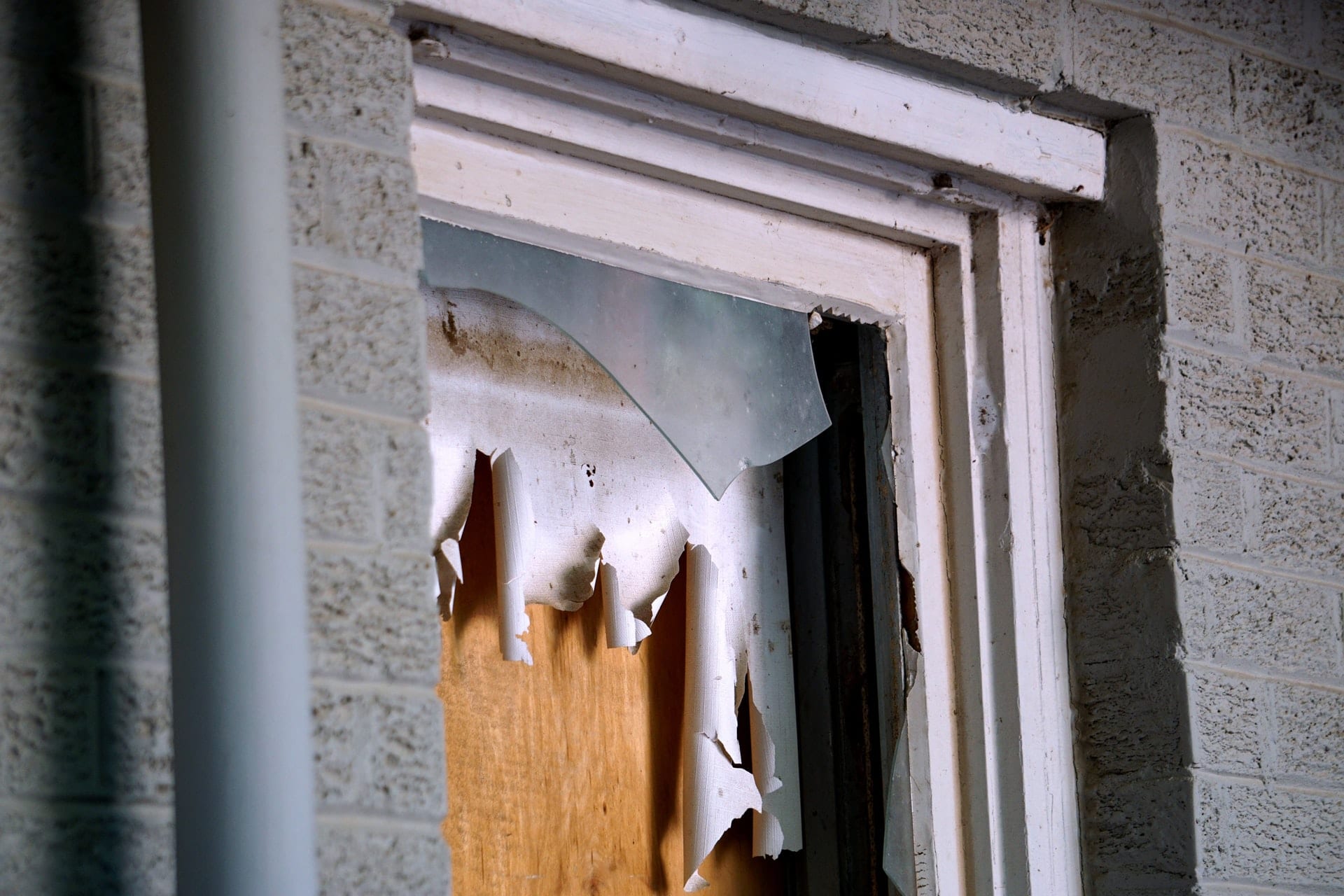
On termination of a lease, a commercial tenant is generally obliged to yield up or hand back the property in the same condition it was in at the beginning of the lease.
Often, the lease may provide that the landlord shall serve the tenant with a schedule of dilapidations prior to the termination of the lease, or alternatively that the landlord shall accept a sum of money in lieu of the dilapidation works being carried out by the tenant. Where the lease is silent on this point, the landlord may nevertheless serve a schedule of dilapidations at any time during the term of the lease where the tenant is in breach of a repair covenant or on the termination or expiration of the lease.
Given the potential expense and the necessary work which a schedule of dilapidations may place on a tenant, this can often be a contentious issue. Landlords and tenants should be aware of the following:
Obligations in the Lease
It is important to be aware of the content and extent of the repair, reinstatement and yield up obligations contained in the lease at the outset of leasehold negotiations. The repair and yield up clauses should refer to the schedule of condition (see below) and should be drafted in accordance with same.
It is also important to be aware of the covenants contained in the lease in respect of entry by the landlord or their surveyor in preparing any schedule of dilapidations. Any such person entering onto the demised premises must comply with the terms of the lease in respect of such entry.
Prepare a Schedule of Condition
Disputes may be avoided by having a detailed schedule of condition prepared by a surveyor or other suitably qualified professional at the commencement of the term; to be appended to the lease. A schedule of condition is simply a record of the state and condition of the property at that particular point in time. Typically, the lease will then oblige the tenant to yield up the property in the same state of repair and condition as outlined in the schedule of condition. A schedule of condition should contain both a detailed and accurate description of the condition of the property, together with a set of good quality photographs of the property to be demised.
Deal with Previous Leases
Before entering into a new lease of the property, renewing the current lease or giving consent to any assignment of the lease, landlords should first deal with any dilapidation issues arising from the current tenant.
If a renewal of the lease is granted without considering the existing dilapidation issues, there is a risk that the standard of repair may be less under any new lease and therefore the new tenant may be under a reduced repairing obligation.
Third Party Interests
If the tenant has granted any licences, sub-leases or any interest in the leased property to a third party, it should ensure that any such agreement contains the same repairing, reinstating and yield up clause as the head lease. This is fundamentally important in protecting the interests of both the landlord and the tenant.
Can the Landlord carry out the works?
The landlord can carry out the necessary dilapidation works during the term if the lease grants the landlord an express right of entry for this purpose. Furthermore, the landlord may carry out the works following the expiration of the term of the lease and thereafter can then claim the costs of the works from the tenant.
How we can help
If you have any queries or concerns, or would like to discuss the above in further detail, please feel free to contact Aidan McMahon in our Real Estate Department on amcmahon@bhsm.ie / +353 (0)1 440 8300.
This article is for general information purposes. Legal advice must be obtained for individual circumstances. Whilst every effort has been made to ensure the accuracy of this article, no liability is accepted by the author for any inaccuracies.
- Share this article:


